
Every June, companies pledge their support for the LGBTQ+ community with rainbow-branded ad campaigns or carefully worded statements of support. The past few years have seen a more muted response, given the political climate. This year, organizations should consider how they can authentically support a community increasingly under attack, without appearing performative, afraid, or disconnected from their employees’ real-world experiences.
Employees focus more on action than gestures. They notice if inclusion and belonging is a part of the culture. This creates an opportunity for organizations to shift their focus from messaging alone to creating a meaningful employee experience.
Pay Attention to the Everyday Experience
Inclusion is rarely defined by a single statement. It is shaped through the daily interactions. Do employees feel safe speaking openly? Are different perspectives genuinely encouraged? Are career opportunities equitable? And how to leaders respond when issues arise? Including items around inclusion or belonging on an employee survey, or even administering a specific I&B pulse survey, sheds light on the answers to these questions and others, and can help guide organizational improvement efforts.
Employees see any differences between branding and behavior. If an organization speaks publicly promoting inclusion but internally tolerates bad behavior, the hypocrisy is noted. At the same time, employees also notice when organizations consistently create respectful environments where people feel valued.
Moving Away from Symbolic to Actual Support
Many organizations are evolving how they approach DEIB-related initiatives overall, in large part due to legal concerns and the political climate. However, organizations are also understanding that “pink-washing,” or “rainbow-washing,” is harmful; these terms refer to public statements or campaigns in support of the LGBTQ+ community without any meaningful action that actually creates a cultural change. Together, these forces are pushing organizations away from simple statements that go nowhere and instead are forcing them to focus more on building cultures where everyone feels included and valued, whether that is through providing more mentorship or sponsorship opportunities, increased manager training, 180 or 360-degree feedback assessments, employee surveys, or other avenues. The important piece is not the name or logo of a program, but the intent and impact. Continuing to focus on programs that support the respect and support of employees is critical for employees to feel safe and connected to the organization. Importantly, these efforts all have an impact year-round, and not just during Pride month.
Pride Month is a yearly reminder to recognize the challenges faced by the LGBTQ+ community and take stock of what is working and what can still be improved within our own organizations. Employees rarely expect their organizations to be perfect; rather, they want them to be authentic and genuine, and aware that there is always more improvement work to be done.
If you're interested in differentiating your organization through DEIB initiatives and PRIDE commitment, learn how with OrgVitality's Measuring Inclusion & Diversity ebook or sign up for one of OrgVitality's free DEIB by Design sessions, where an OrgVitality executive consultant dedicates an hour session walking through your unique initiatives and discussing topics such as item design and communications.
Measuring Inclusion & Diversity
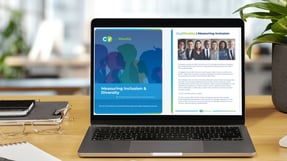
OrgVitality's ebook, Measuring Inclusion & Diversity, guides you through the art and science of uncovering hot spots through employee surveys.
DEIB by Design - OrgVitality
.jpg?width=300&height=169&name=DEIB%20by%20Design%20(3).jpg)
OrgVitality is intentional about supporting all organizations, not just customers, in their DEIB initiatives. DEIB by Design is a program available to all organizations committed to authentic DEIB action at their organization.
What you get: An executive I/O psychologist dedicates an hour session to walking through your unique initiatives and discussing topics such as item design for your employee survey, finding hotspots in your analytics, and what to prioritize in your communications.
Author

Amanda focuses on business development, including creating branded content, managing special events, and working with customers to enhance their internal communications. Amanda comes to OrgVitality from the media industry, where she had 20 years of experience writing for national magazines, newspapers, online publications, and television news programs. She graduated from Columbia University with a B.A. in English and Comparative Literature